Macronutrient Composition and Body Composition
The composition of macronutrients in your diet influences not only your energy intake but also how your body uses nutrients and how your body composition—the proportion of muscle, fat, and other tissues—responds to your dietary patterns.
Carbohydrate Intake and Metabolic Effects
Carbohydrates serve as your body's primary energy source, particularly for high-intensity activities and cognitive function. The type, timing, and quantity of carbohydrates consumed influence blood glucose levels, insulin response, energy availability, and satiety.
- Whole food sources: Grains, legumes, and vegetables provide sustained energy and micronutrients
- Refined sources: Provide quick energy but lack the fiber and micronutrient benefits of whole food sources
- Glycemic effects: Different carbohydrate sources affect blood glucose and insulin response differently
- Fiber content: Supports digestive health, satiety, and stable energy levels
Protein and Muscle Health
Protein intake is critical for maintaining and building muscle tissue, particularly when combined with physical activity. Your body continuously breaks down and rebuilds muscle tissue, and adequate protein intake is essential for this process.
- Amino acid availability: Your body needs consistent access to all nine essential amino acids
- Protein distribution: Spreading protein intake throughout the day may optimize muscle protein synthesis
- Activity level: More physically active individuals may have higher protein requirements
- Age considerations: Older adults may need higher protein intake to maintain muscle mass
Fat and Hormonal Health
Dietary fat plays critical roles in hormone production, brain function, nutrient absorption, and inflammation regulation. The type of fats consumed influences these physiological processes differently.
- Essential fatty acids: Omega-3 and omega-6 fats cannot be synthesized by your body and must come from food
- Hormonal function: Adequate fat intake is necessary for proper production of sex hormones and corticosteroids
- Fat-soluble vitamins: Vitamins A, D, E, and K require dietary fat for absorption
- Inflammatory balance: Different fat types have varying effects on inflammatory responses
Macronutrient Ratios and Dietary Approaches
Various dietary approaches recommend different macronutrient ratios. Common recommendations include:
- Standard approach: 45-65% carbohydrates, 10-35% protein, 20-35% fat
- Mediterranean-style: Emphasis on healthy fats, moderate protein, moderate carbohydrates
- Higher-protein approaches: Increased protein emphasis, often for athletic performance or muscle maintenance
- Varied-carb approaches: Adjustment of carbohydrate timing based on activity level
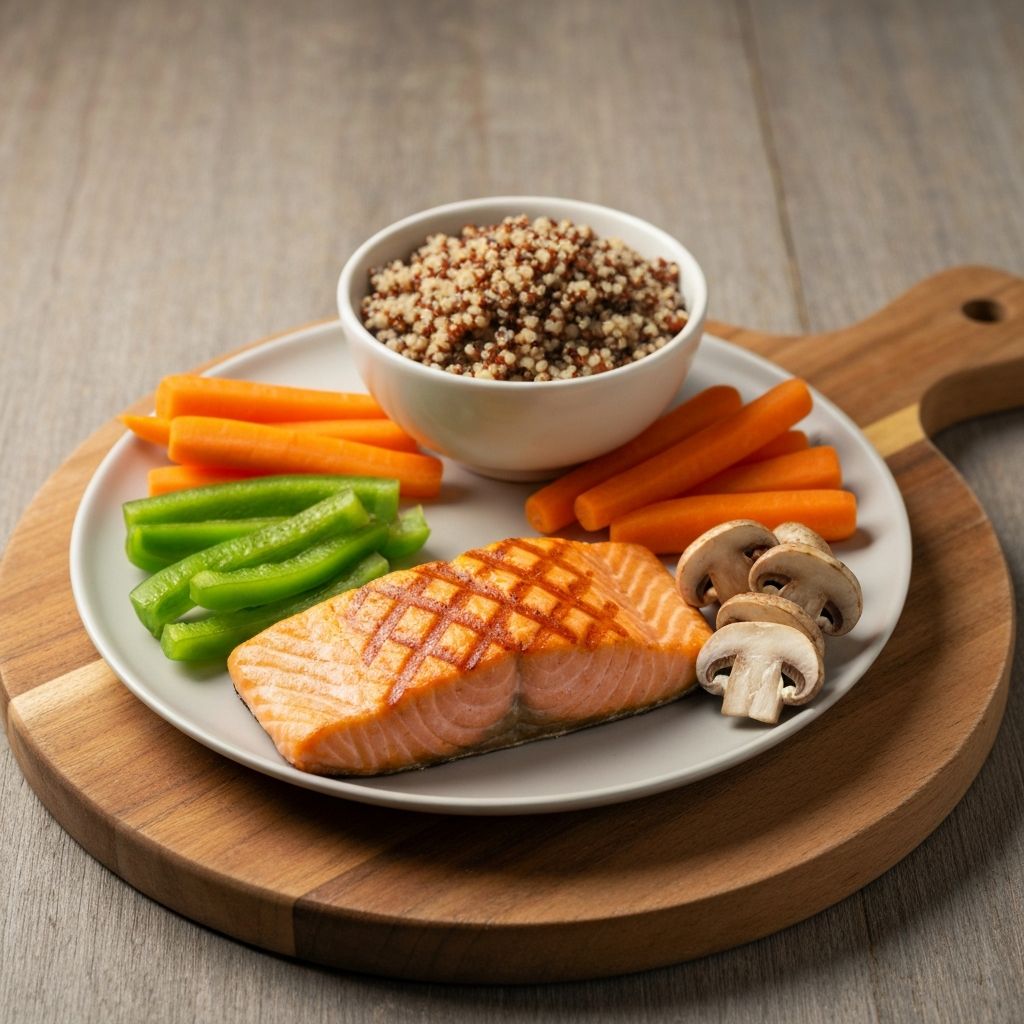
The "optimal" ratio varies based on individual circumstances, activity level, health status, and personal preferences. The key is finding an approach that provides adequate energy, supports your activities, and includes whole food sources of all macronutrients.
Nutrient Timing and Energy Availability
When and how you consume macronutrients can affect energy availability for activities and metabolic processes. Strategic timing of carbohydrates and protein may optimize performance and recovery, though individual responses vary.
Pre-Activity Nutrition
Consuming carbohydrates and moderate protein before physical activity can provide energy for performance and help prevent muscle breakdown during exercise.
Post-Activity Nutrition
After activity, consuming carbohydrates and protein may optimize recovery, replenish energy stores, and support muscle protein synthesis.
Throughout the Day
Consistent distribution of protein and carbohydrates throughout the day maintains stable energy levels and supports metabolic processes.
Quality of Macronutrient Sources
Not all sources of macronutrients provide equal nutritional value. Whole food sources typically provide micronutrients, fiber, and beneficial compounds alongside macronutrients, while processed sources may lack these accompanying nutrients.
Carbohydrate Source Quality
Whole grains, legumes, fruits, and vegetables provide sustained energy alongside fiber, vitamins, and minerals. Processed carbohydrates may cause rapid blood glucose spikes and lack accompanying micronutrients.
Protein Source Quality
Complete protein sources such as fish, eggs, and legumes provide all essential amino acids. Plant-based sources may require combination with complementary sources to provide complete amino acid profiles.
Fat Source Quality
Unsaturated fat sources such as nuts, seeds, fish, and olive oil provide beneficial compounds and fatty acids. Minimally processed sources typically provide greater nutritional value.
Key Takeaways
- Macronutrient balance affects energy and body composition
- Carbohydrates provide sustained energy when from whole food sources
- Adequate protein supports muscle health, particularly with activity
- Healthy fats support hormonal and neurological function
- Source quality matters; whole foods provide greater nutritional value